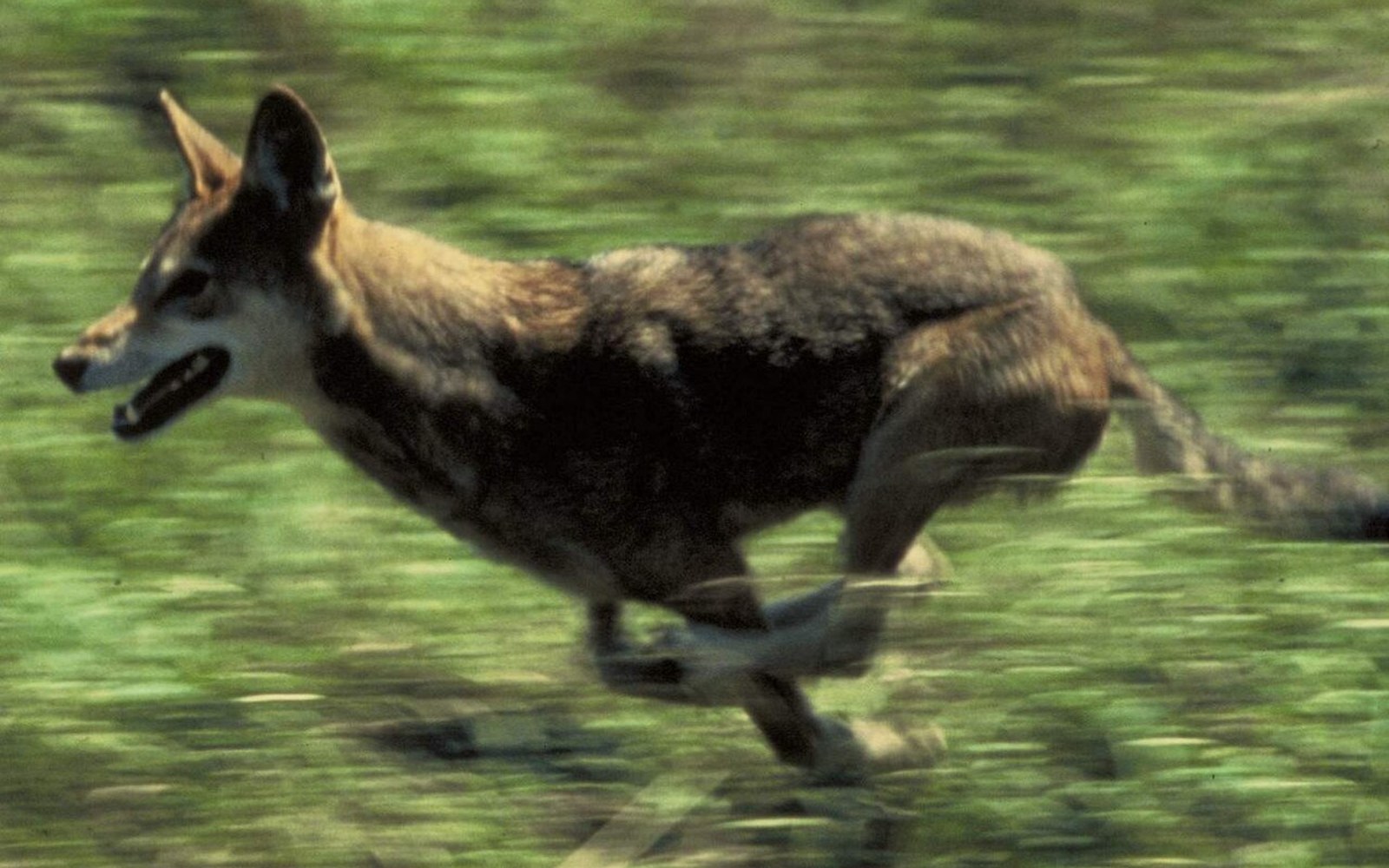
The only wild population of red wolves on earth lives inside a five-county pocket of eastern North Carolina, and the number keeps shrinking.
The red wolf (Canis rufus) was declared extinct in the wild in 1980. By then the last survivors — captured from coastal Texas and Louisiana — were in a federal breeding programme, their genome catalogued, their future held in a handful of zoo partnerships. The plan, the first of its kind for a large North American predator, was to put them back.

In 1987, the U.S. Fish and Wildlife Service released four mated pairs into the Alligator River National Wildlife Refuge, a low coastal plain of pocosin wetland and Atlantic white cedar swamp on the Dare County peninsula. The wolves took. They denned. They raised pups. By the late 1990s the wild population had grown to around 100 animals across a five-county recovery zone that stretched from Dare into Tyrrell, Washington, Hyde and Beaufort counties. Wildlife managers called it a proof of concept for large-carnivore recovery in the eastern United States.
That proof is now under pressure.
By 2012, counting had become urgent. Gunshot mortality — legal and illegal — combined with a rule change that permitted coyote hunters to kill animals matching certain descriptions, had reversed the trend. The U.S. Fish and Wildlife Service's own recovery assessments recorded the population falling below 50, then below 30. As of the agency's most recent count, fewer than 20 red wolves are believed to be living wild, all of them within the original recovery zone.
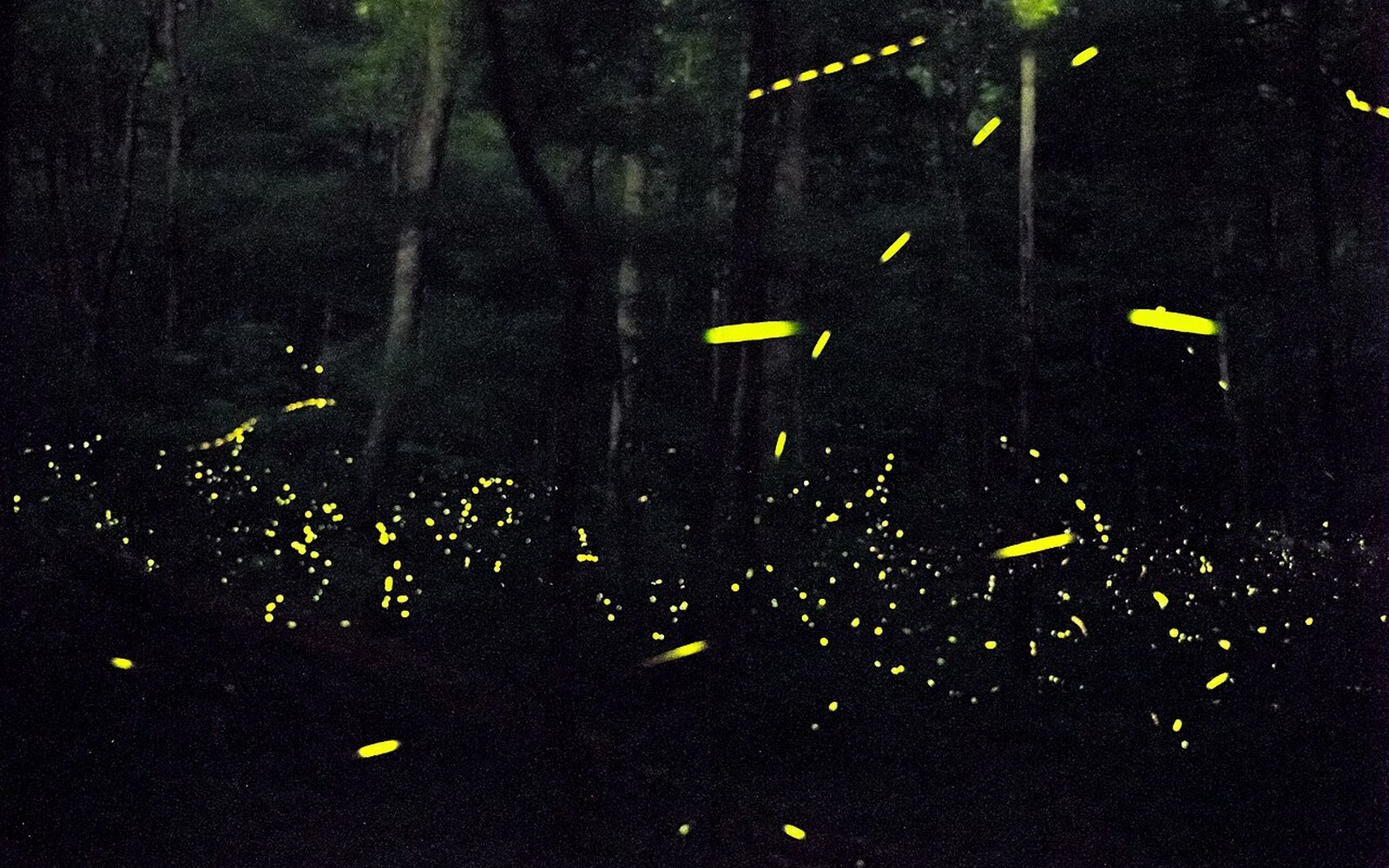
Photinus carolinus synchronises across a hillside for a short window each summer, and the parks now ballot access because of it.
Read the piecePhoto: Photinus carolinus Great Smoky Mountains · Wikimedia CommonsThe count is contested because counting them is genuinely hard. Red wolves move. They are smaller and redder than a grey wolf, longer-legged than a coyote, and they interbreed with coyotes freely — which is both an ecological complication and the source of a political one, since the hybrid question has been used to argue that the animals being managed are not Canis rufus at all. That argument has been examined and substantially rejected by independent genetic analysis, which confirmed the red wolf as a distinct lineage, but it introduced enough public doubt to complicate the programme's legal standing for years.
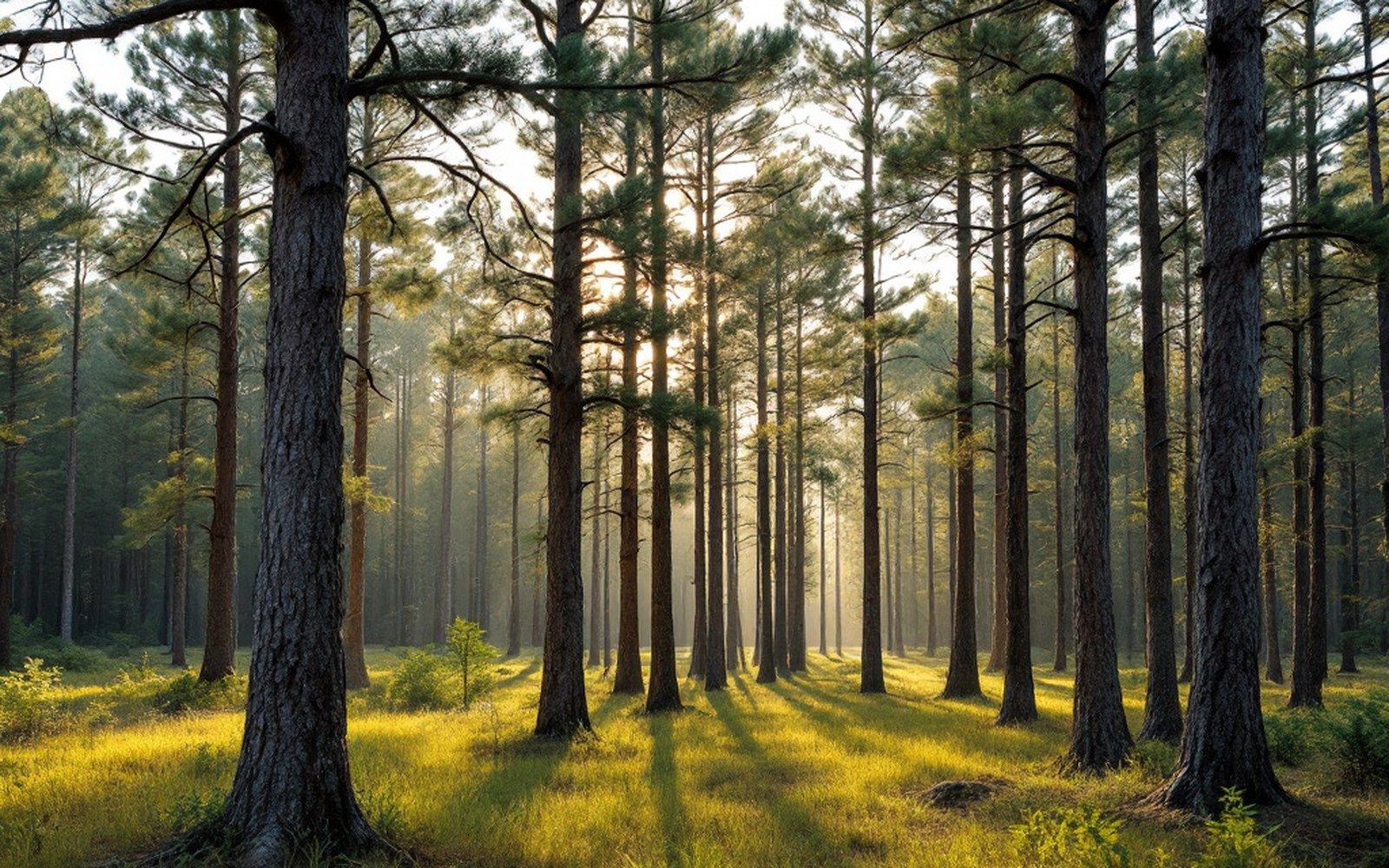
The Alligator River refuge itself — a landscape of dark water channels, dense shrub pocosin, and timbered tracts — offers the animals cover and prey. White-tailed deer and nutria are abundant. The terrain that makes counting difficult also makes living possible.
Whatever happens in the recovery zone, the species exists because of captive breeding. Roughly 40 facilities across the United States hold red wolves under the Species Survival Plan coordinated through the Association of Zoos and Aquariums. The captive population, managed as a genetic reservoir, numbers in the hundreds and has been the source of every animal released since 1987. Without it, the 2012 population crash would have been an extinction event.
The tension in the programme — managed by USFWS out of the Alligator River complex — is between release rates and mortality rates. Pups have been fostered into wild dens, a technique that places captive-born animals with established wild pairs and lets them learn from wolves that know the ground. It works, when the animals survive long enough for the investment to compound. Gunshot mortality makes that timeline short.
Recovery plans have been revised, withdrawn and revised again under successive administrations. Environmental litigation has periodically forced the programme back toward its original ambitions. The population target set in the most recent approved recovery plan is 400 wild individuals across three self-sustaining populations, a number the single Alligator River zone has never approached and cannot support alone.
What eastern North Carolina holds, for now, is the last of something: a predator that shaped the forests and fields of the American Southeast for millennia, surviving in a narrow peninsula of wetland between the sounds and the sea, its count updated in agency documents, debated in federal court, and watched by a small group of researchers for whom every confirmed pup is a number worth having.